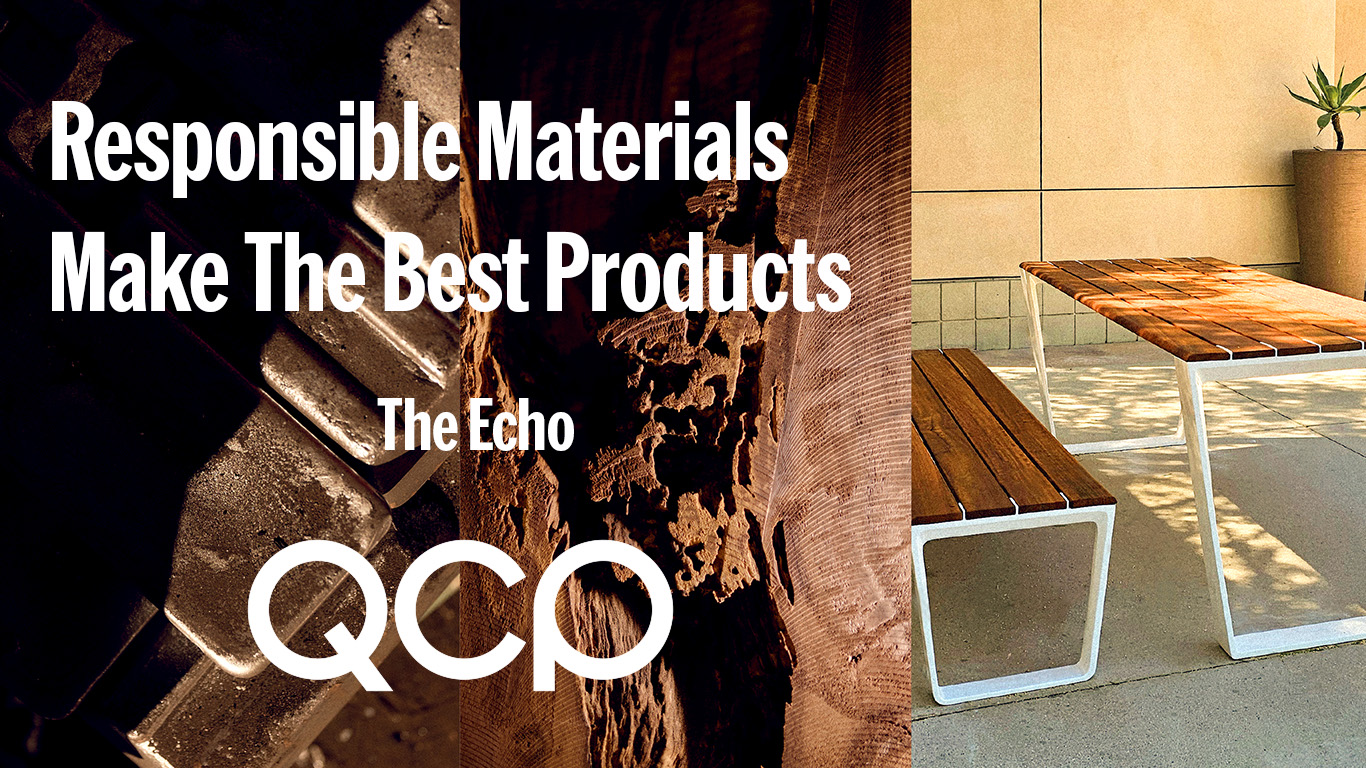
Norco, CA, May 28, 2026 - We’re thrilled to announce our partnership with Street Tree Revival a subsidiary of West Coast Arborists, Inc. (WCA), a fellow family-owned and operated business headquartered in Southern California. Based in Anaheim, WCA provides tree maintenance and management services across California, Arizona, and Texas. In collaboration with the California Department of Forestry and Fire Protection (CDF), WCA started an urban wood recycling program called Street Tree Revival, whose mission has been to find ways to upcycle wood from our urban forest and turn them into usable urban lumber.
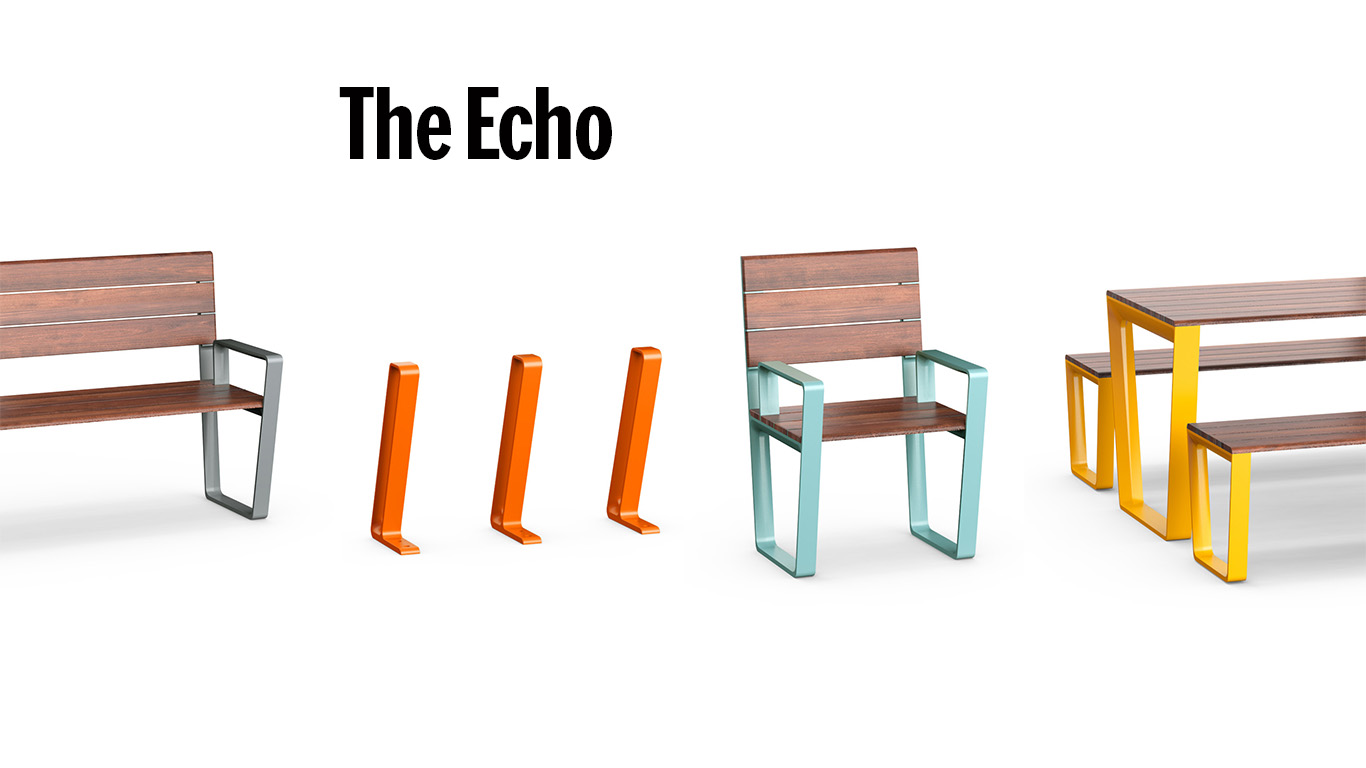
That’s where we come in—all of QCP’s wooden material for the Echo Series is now sourced from Street Tree Revival’s efforts. We see this as the perfect complement to the recycled cast aluminum (derived from Downtown Los Angeles) incorporated in the Echo series of seats, benches, tables, and bike racks. According to WCA, 124 million tons of CO2e (carbon dioxide equivalent) could be sequestered nationally from urban hardwood over the next 30 years. We see this as yet another contribution to our sustainability commitment in manufacturing site furnishings made with wood, steel, and precast concrete.
“We found Street Tree Revival in the pursuit of a sustainable alternative to our wood sourcing, and specifically for the Echo products,” explains Matt Gilio-Tenan, QCP’s director of design and marketing. “These are trees that would have been taken down for a number of reasons anyway, and instead of throwing them into a wood chipper, we’re turning them into furniture.”
The type of wood is iron bark eucalyptus, one of the most bountiful trees in Southern California, and one of the densest hardwoods available. “Street Tree Revival has refined the wood-curing process, and we’re excited to be among the first companies to utilize this material for urban site furniture,” Gilio-Tenan adds.
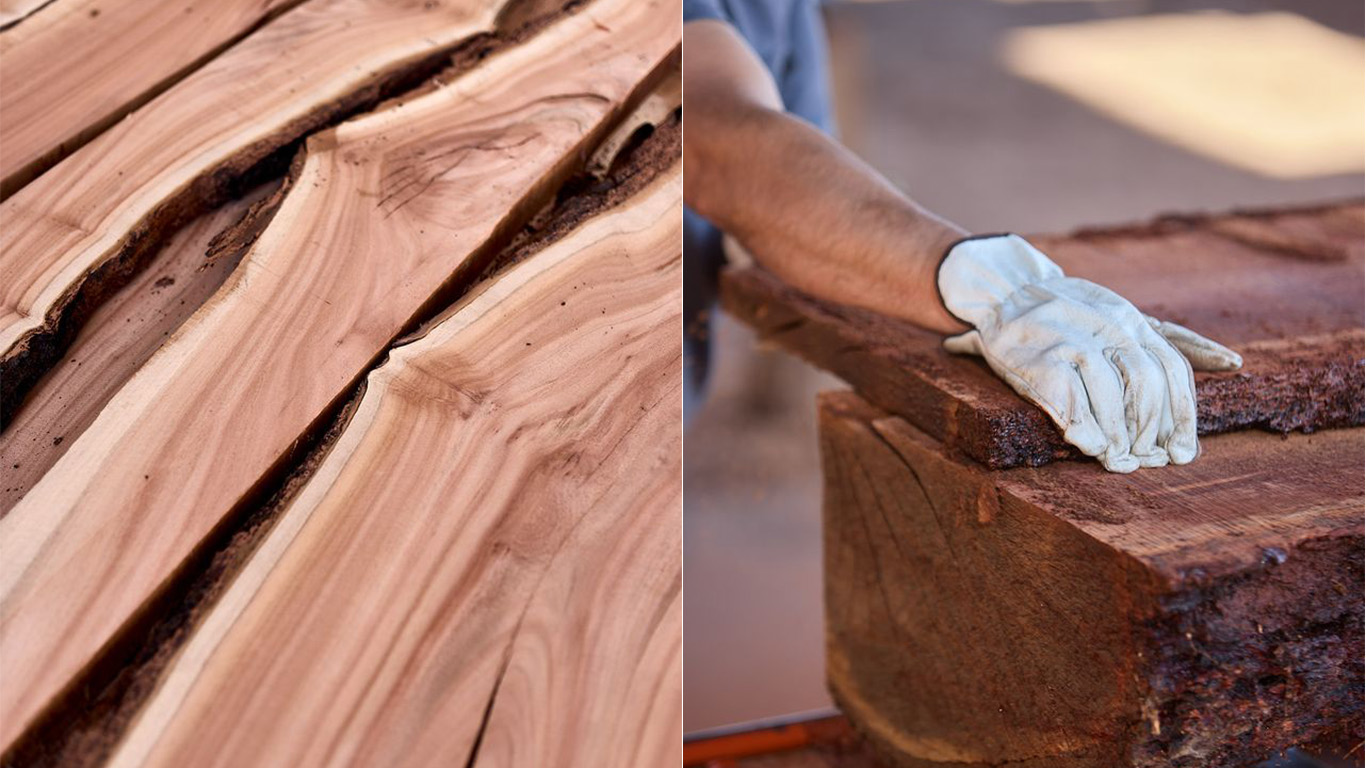
WCA typically removes trees from locations with the following concerns: storm damage, fire, drought, pest or disease, as a hazard prevention, or if the tree is no longer living. Our collective mission with Street Tree Revival is to acquire locally sourced woods to decrease transportation distances and limit carbon emissions, while also promoting carbon storage potential in wood products.
We see the Echo Series as a new approach to specifying site furnishings, one that connects material sourcing, regional identity, and long-term environmental stewardship into a cohesive design language. Rather than relying on globally-sourced hardwoods or virgin materials, Echo utilizes upcycled urban lumber from Southern California’s urban forest alongside recycled cast aluminum sourced from Downtown Los Angeles. The result is a product line rooted in the communities and landscapes it ultimately serves.
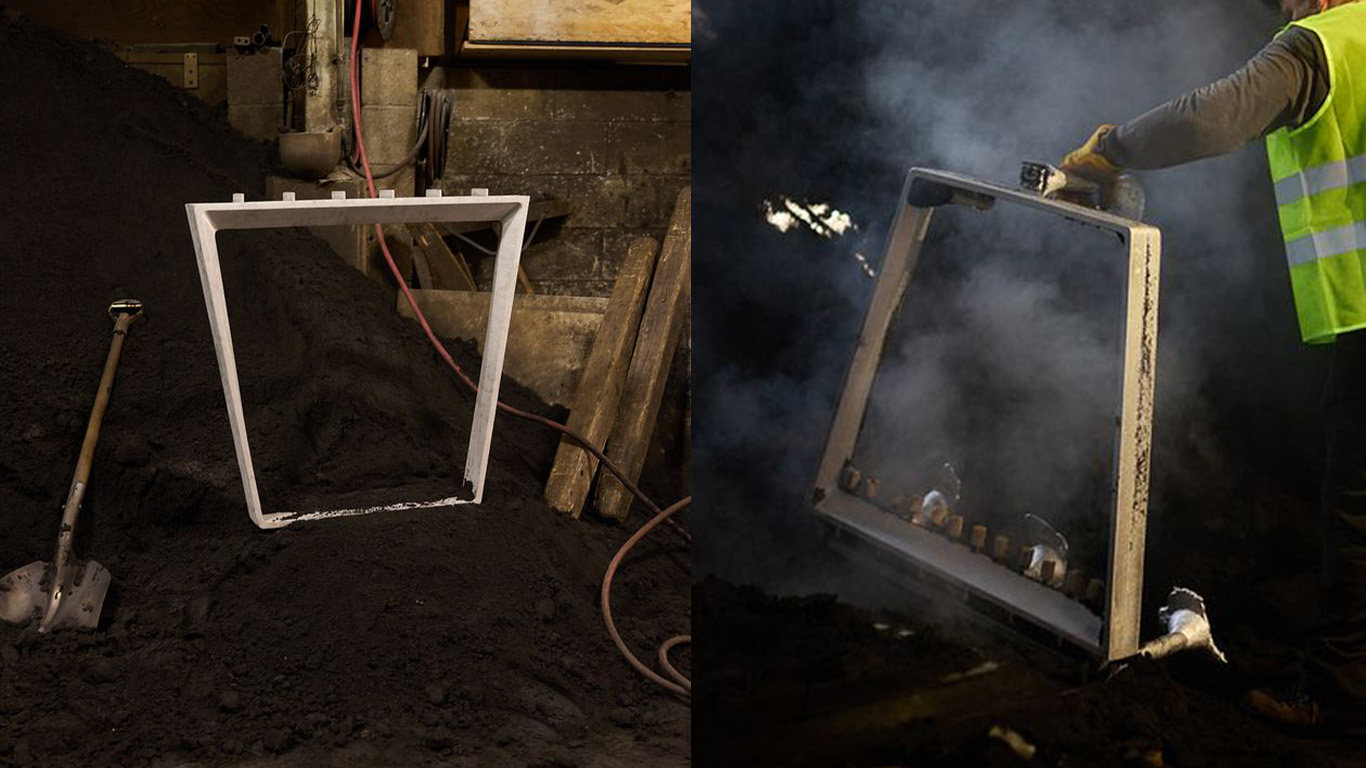
Designed for public spaces, campuses, parks, streetscapes, and civic environments, the Echo Series balances durability with warmth and material authenticity. The dense iron bark eucalyptus offers exceptional strength and weather resistance, while its unique grain and tonal variation give each piece a distinct character shaped by the local urban forest itself. Paired with recycled aluminum components, the collection provides landscape architects with a resilient, low-maintenance furnishing solution that supports both sustainability goals and contemporary design aesthetics.
More importantly, the partnership between QCP and Street Tree Revival demonstrates how urban infrastructure and urban forestry can work together in a circular system; transforming removed trees into lasting public amenities instead of waste. For designers seeking materials with a meaningful environmental narrative, the Echo Series offers an opportunity to specify products that visibly embody reuse, regeneration, and regional resource stewardship.
Being a good steward of the environment has been one of the core values at QCP since our founding in 1976. In our 50th year in business, we’ve modernized our approaches by crafting products built to last, employing a closed-loop water system to filter wastewater, prioritizing low-carbon cement, and incorporating 100% recycled rebar. To learn more about these efforts, visit our sustainability page here.






.svg)
.svg)